I’ve been wanting to try a Windows laptop with a Snapdragon ARM processor for the longest while now, but couldn’t think of a good enough reason to look into getting one. Well, in September this year, one reason finally came up – even if it was a cascading one of sorts! Two keyboard rows in the almost 5-year-old Lenovo Slim Yoga 7 Pro failed, and the battery controller was starting to act up. So, that got retired (or rather, disposed of into the e-waste bin), which in turn required me to bring out the even older Dell XPS 13 at almost 7 years old – to replace it as my personal machine that I keep at my office. I still have two thin and light ~1kg ultraportables: the Asus Zenbook S13, and the Honor MagicBook Art 14. The S13 remains a lovely compact Windows ultraportable, but the heat dissipation apparatus remains an issue for anything more than the lightest workload. The Art 14 I’ve brought out for all my recent trips out of the country and is a near-perfect machine: it’s physically a fairly large laptop, despite weighing just around 1kg.
So, I went about looking for another ~1kg ultraportable, and my requirements were similar to before:
13.3″ (ideally) or at most 14″ display
Must be OLED. A 120Hz refresh rate would also be nice but not mandatory.
No more than 1.1kg in weight
The search took a week, and it eventually narrowed down to these options:
Lenovo IdeaPad Slim 5 Ultra, going for around $1,620 at Challenger. This is a very slim laptop with a so-so Core Ultra 7 256V processor. Adequate for normal loads but not for the drone video rendering I routinely do maybe once or twice a year. The laptop was only equipped with 16GB RAM: unfortunate but not surprising given the astronomical prices of RAM these days.
MSI Prestige 13 AI+ Evo, equipped with 32GB RAM and a Core Ultra 7 258V processor, and under 1kg in weight. Much better, but the laptop is pretty expensive at upwards of $2.2K, and I didn’t really like the build quality of it based on the demo units I saw in stores here.
Acer Swift Air 14, equipped with the same processor as the Art 14: Core Ultra 7 155H, 16GB RAM and at $1,699. It would have been a downgrade from the Art 14 though, with half the amount of RAM and not particularly great build quality.
Asus Zenbook S14 (2024), with Core Ultra 7 258V and 32GB RAM. The lowest price for this I saw was for export units – but Asus offers an International warranty – and the cheapest was at $1,658. This machine would have been perfect: fantastic display, great build, though slightly heavy at ~1.2kg. I almost decided on this model, but just before purchase stumbled on Reddit posts where several owners reported a serious design flaw in the machine, which could cause displays to fail over time.
Asus Zenbook A14 (2024) with the Snapdragon X / X1-26-100 processor, and weighs just under 1kg. This ARM processor is fairly low-end, but the unit itself offers fantastic battery life, and like the S14 above, offers an external chassis manufactured with a funky-sounding name (‘Ceraluminum’). The units on sale in Singapore are quite pricey and at 16GB, but the export sets were more affordable and also offered 32GB variants.
Of all the models I considered above, and with the help of ChatGPT to do thorough analyses and comparisons, the A14 probably met all the checkboxes: except for the 120Hz refresh-rate display. I didn’t finally need the higher refresh specification, nice as it is. But the lower-performance processor was a bummer. I was ready to defer the entire project till next year, until I stumbled on Carousell, a brick-and-mortar shop in Singapore that had an interesting variant of the A14: one that came with the Snapdragon X Elite X1E-78-100 processor. A specs comparison between the two:
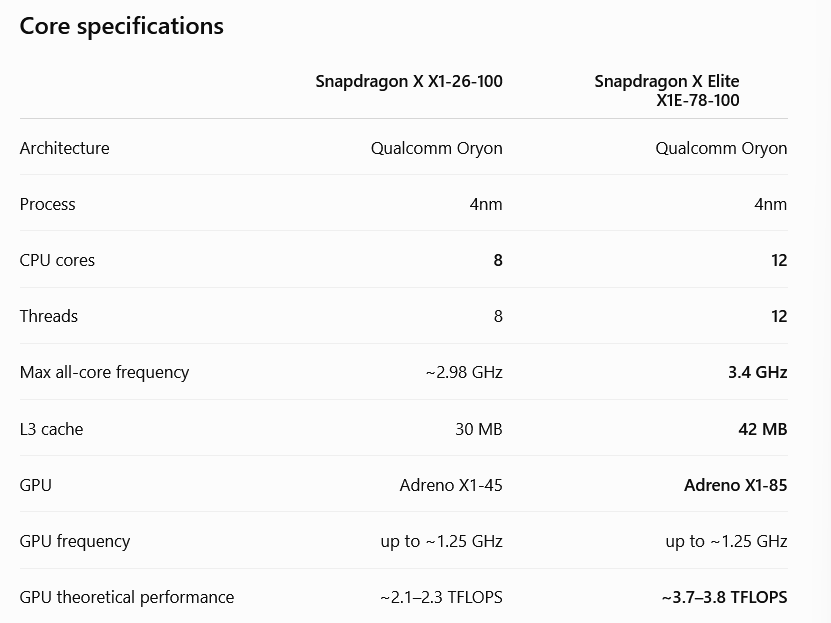
In short, it’s a much higher-performance processor that nonetheless retains the benefits of the lower-speed one. Oddly, I’ve not seen this variant for sale in Singapore stores, nor in export units offered through several Shopee stores, so I was quite surprised. Intrigued, I visited the shop at Sim Lim Towers, and discovered that the shop is basically an authorised reseller of Asus laptops, including refurbished and pre-owned units, and also models that Asus is trying to clear. The A14 with the Snapdragon X Elite processor was only marginally more expensive than the export sets with the slower processor. So, I asked for one of these units to be brought out, then did a check on the system-reported specifications, including battery charge cycles, and was relieved to see that the unit on offer was indeed a brand-new unit, albeit an open-boxed one. Interestingly, this unit didn’t have the usual processor stickers pasted on the palm rests, which led me to wonder whether this variant was actually even intended for resale in Singapore.
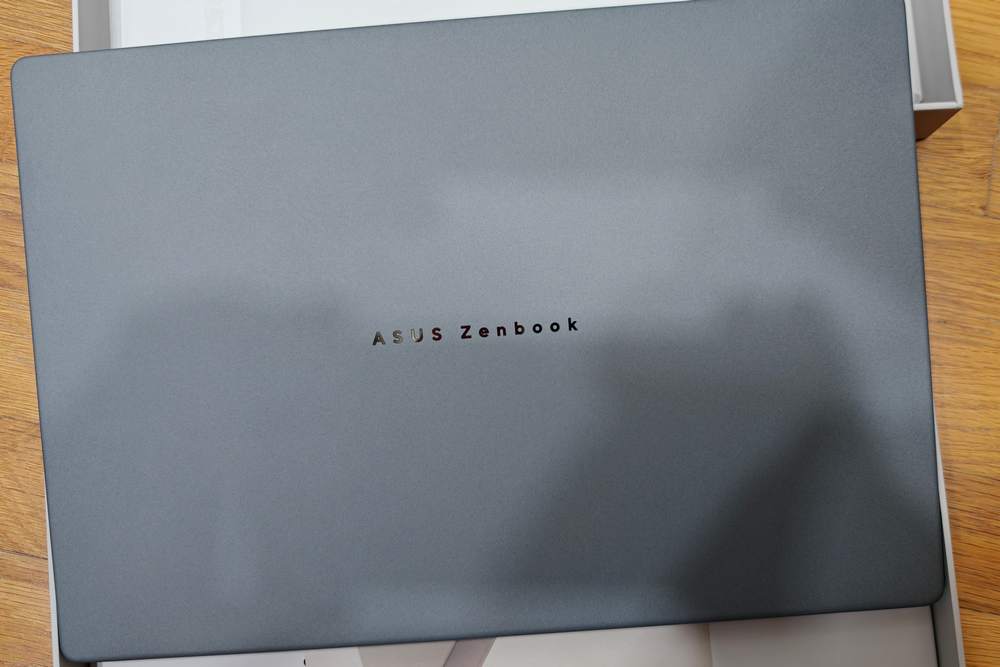
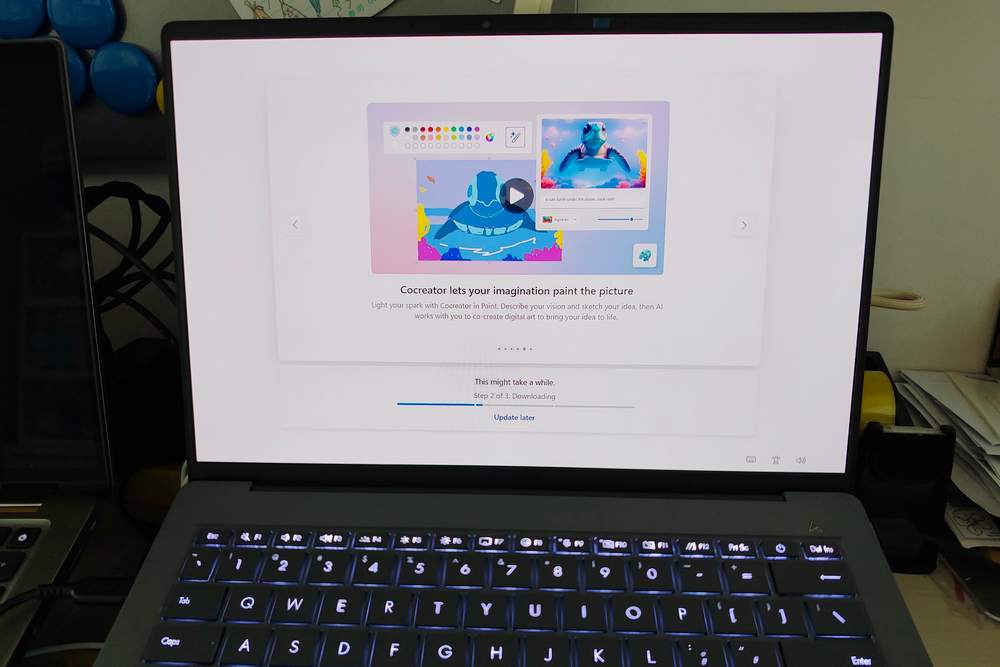
Still, at $1,599, this A14 model was a bargain. And one purchase later and a few hours of setup later, I’m pretty happy with this laptop. The Snapdragon ARM processor has been able to handle most of my usual apps, except for a few that use their own device drivers for which there are no ARM equivalents. The laptop also has fantastic thermals and the palm rests are cool to the touch under normal processing workloads. The stone-like Ceraluminum finish takes a bit of getting used to, but I’m liking the slightly rough texturing it offers. I’m debating whether to bring this A14 instead of the Art 14 for our coming year-end trip to China: I did a test video-rendering comparison between the two, and rendering-time-wise, the A14 was just about 10% behind the Art 14. More to come soon then!