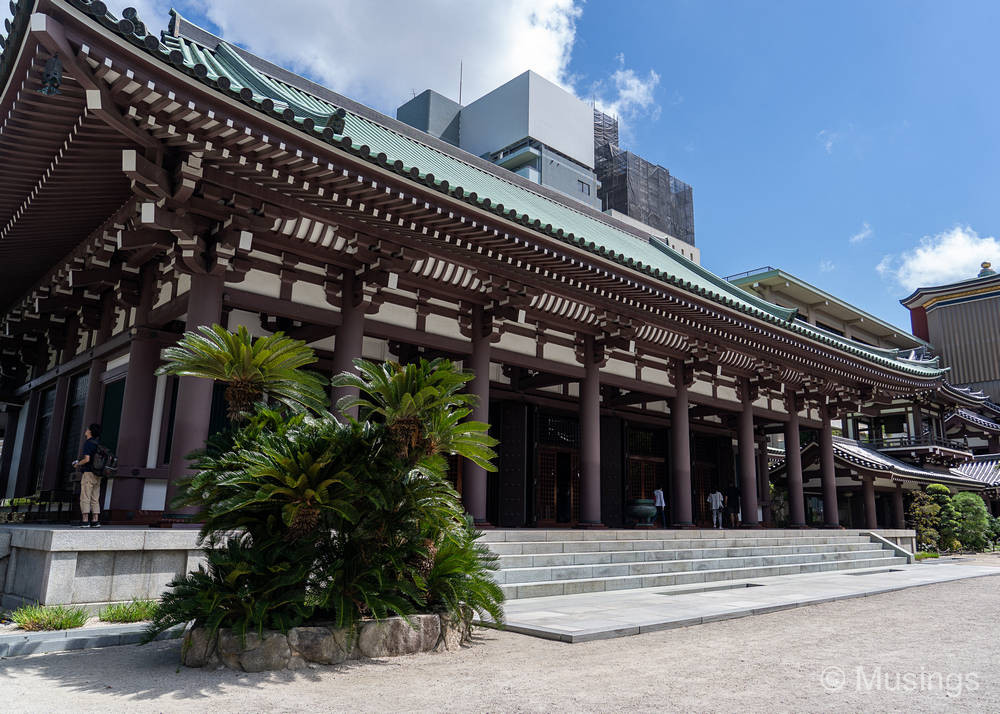
Next stop was Tōchō-ji (temple), which boasts a 10.8m tall statue of Buddha, and a walking path beneath the statue that depicts the various parts of the afterlife according to the religion. Photos couldn’t be taken in the interior, so just exteriors only.
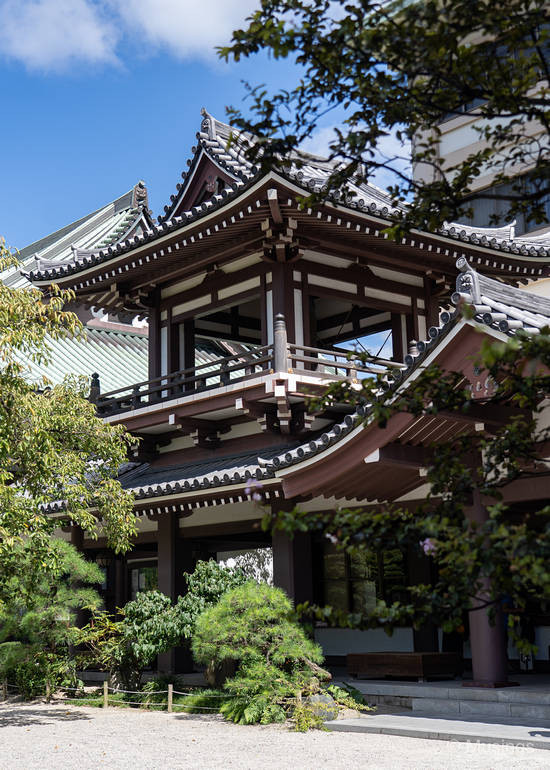
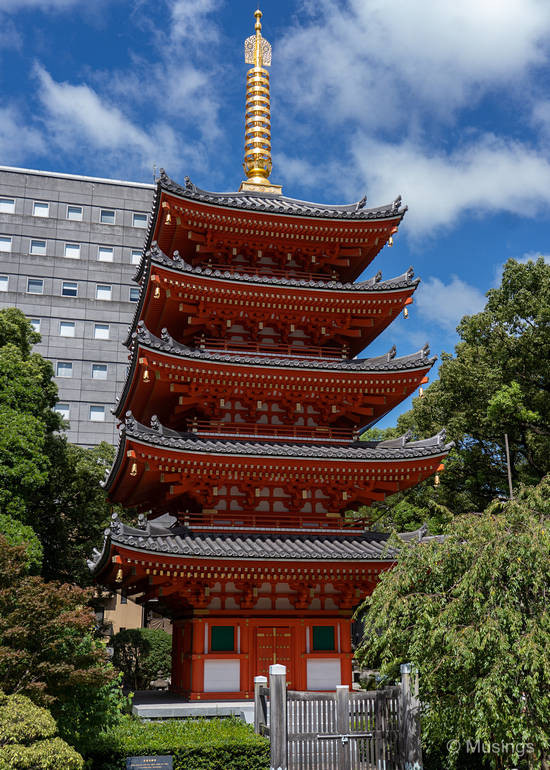
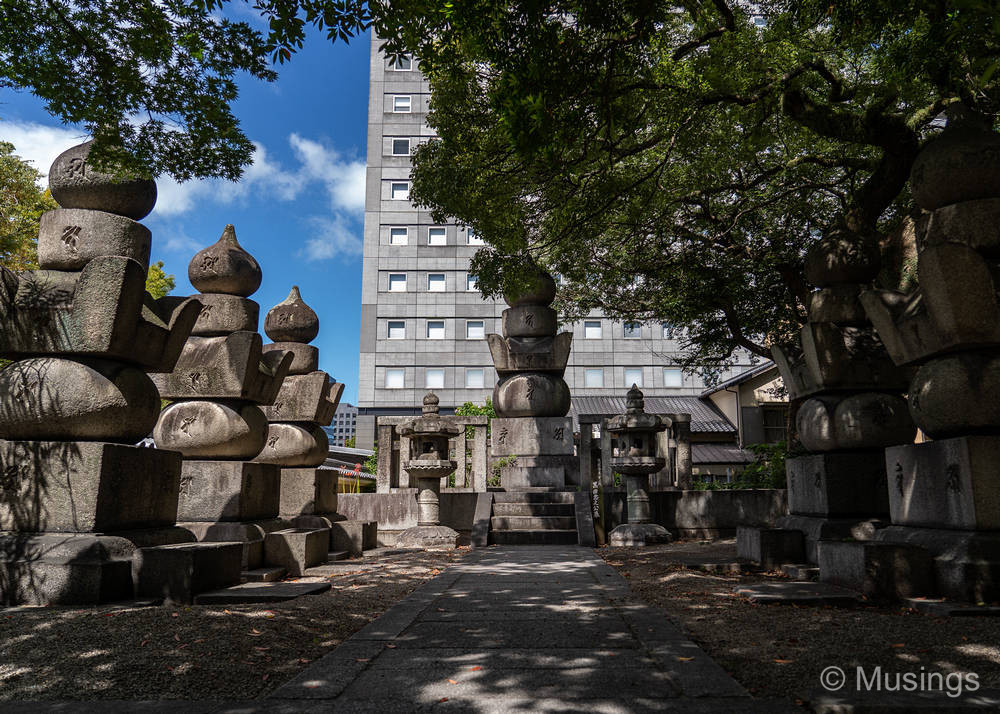
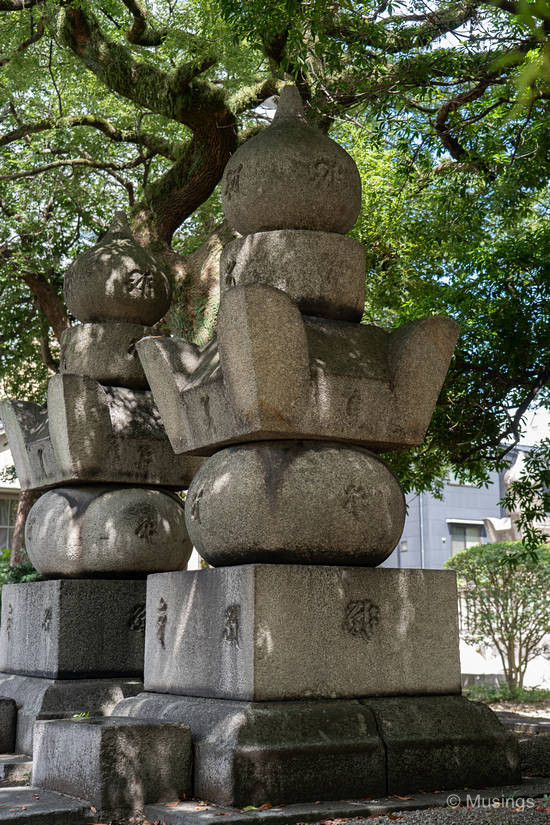
Five-story pagoda.Tombs of the Kuroda family. Miwako explained that the five smaller tombstones surrounding the main one in the center are for the five samurai lords who committed harakiri when their master died. That was a great loss to the people, and the Shogun thereafter decreed that such practices were forbidden from then on.According to Japanese philosophy, each object represents a different element: Earth, Water, Fire, Wind, and Void.Temple main building.
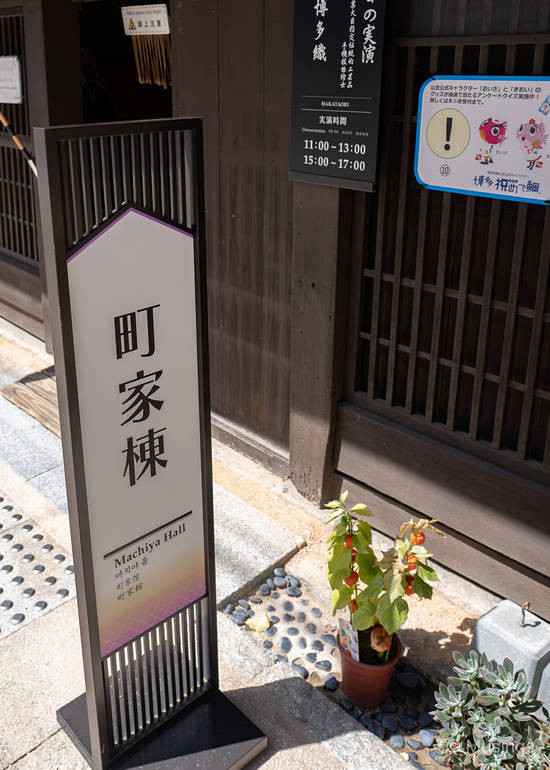
And next onto the Hakata Machiya Folk Museum.
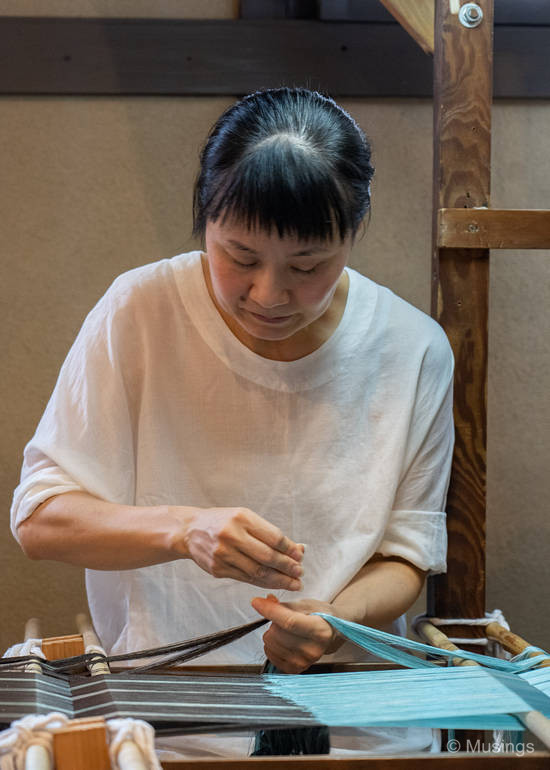
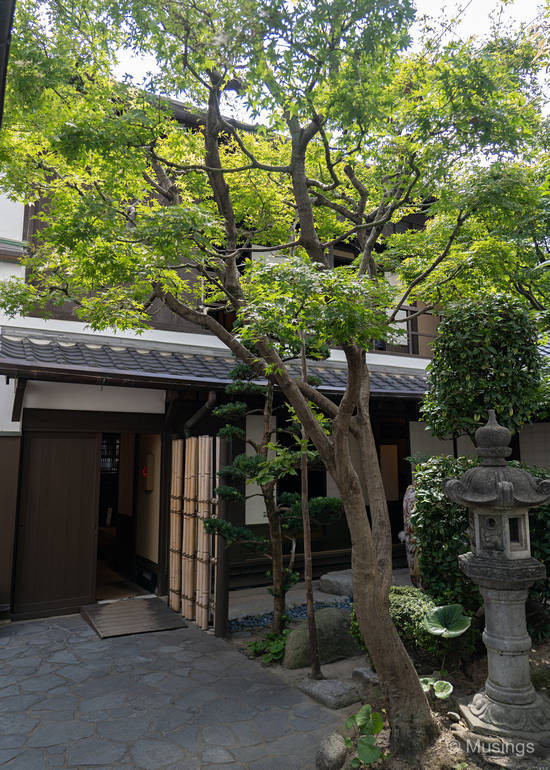
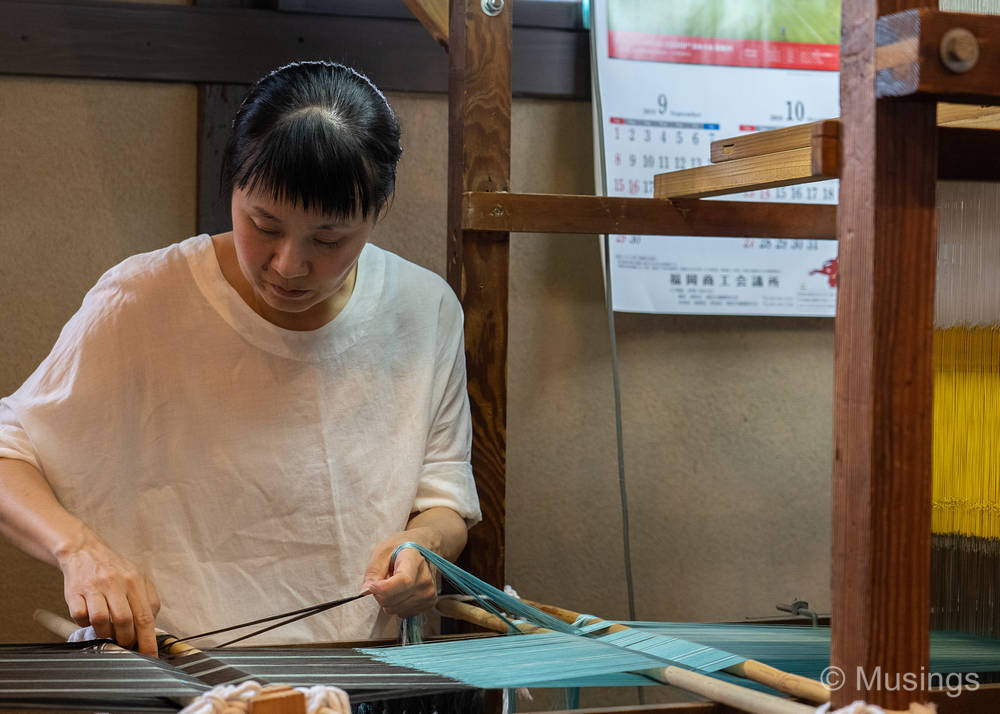
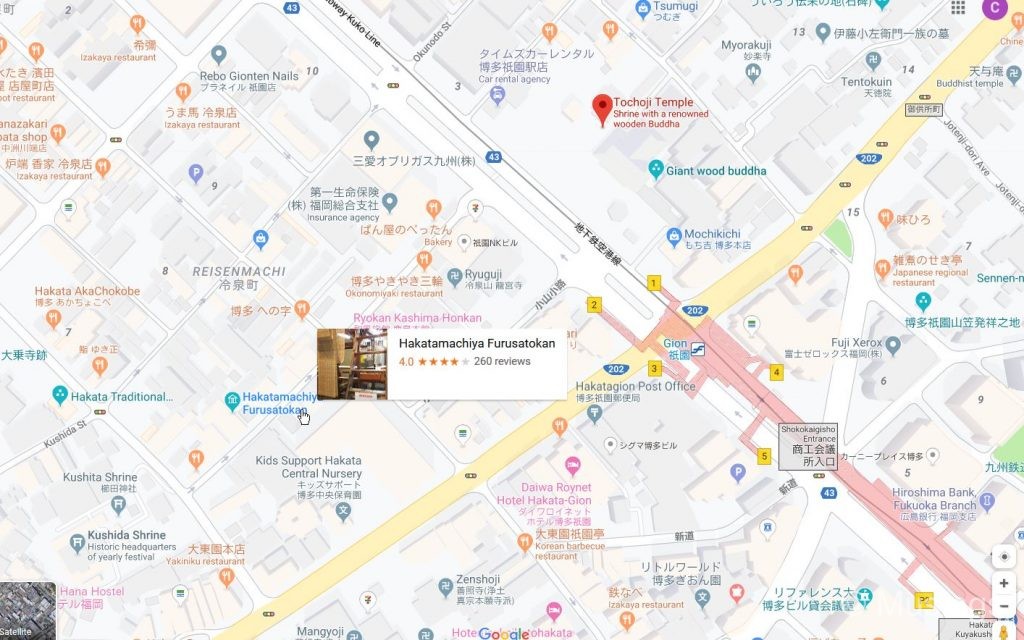
Hakata Machiya Folk Museum, a small museum that showcases daily life and also the typical house interior of Fukuoka city in the Meiji and Taishō periods.An artisan at work weaving on a loom.A fairly small museum.This I think was part of the showcase of textile making using the traditional methods of the period.Tōchō-ji Temple and Hakata Machiya Folk Museum are quite close to each other.
Summary: part of the walking tour and within close walking distance. Good places to also check out. Allocate about 30 minutes to each place.
Recent comments