Apparently, the Jiufen area has been raining for nine straight days now. Several other friends and family members also shared that the Jiufen and Shifen areas in December are basically in the wet season, and they experienced the same downpours during their own visits then too. I was pretty sure that the cold and wet weather we got on Day 8 couldn’t be topped, but boy — I ate my words again on Day 9 today. We left Jiufen and headed in the direction of Taipei, and were initially relieved to see a bright sunny sky — until we were at about 600m altitude on the Yangmingshan climb when a thick layer of fog settled — so that by the time we’d reached the first stop — Qingtiangang — at about 900m altitude, visibility was down to about 10 meters ahead of you. And there was rain and wind to boot. Not again!
But that’s the sum of our Yangmingshan visit: cold, wet and miserable, and we couldn’t see a thing. Oddly, there were also few visitors about, and certainly not the busloads of tourists we saw at Yehliu/Shifen/Jiufen. There were people about, but they looked like locals hiking up the mountain — the kind of people who’d scoff at the rain, wind and fog.
The mountain itself is a short 40-minute drive from Taipei along a somewhat windy mountain road. And given its close proximity to the city itself, it’s pretty much considered an everyday playground for locals, with hikers, cyclists, families on weekends, and of course the rich and famous who probably own pricey properties offering vantage views of the city from up on the mountain.
We also learnt other interesting things about Yangmingshan as related by Checo. He shared quite a lot more about himself on this second day we had him as our driver and guide. Basically, he served as a Lieutenant in the Taiwanese Air Force for 13 years, until a crash in his T-34 trainer aircraft saw him leave the service to recover. His dad — 91 years old — was a Colonel in Chiang Kai-Shek’s army who fled from China in 1949 to Taiwan, and a lot of stories and views he has of the Chinese, Japanese and Koreans are molded by the stories his father and grandfather shared with him. About Yangmingshan for instance, this mountain and its natural hot springs were a favorite holiday area exclusively for the Japanese while they were the colonial masters of Taiwan. However, as the Second World War dragged on and the pool of able-bodied Japanese men to serve rapidly dwindled, the Japanese Imperial Army replaced the voluntary programmes for the Taiwanese and Koreans with forced conscription instead, including training many to serve as their Kamikaze suicide pilots against the ships of the US Navy. Checo’s granduncle was one such conscript. After the requisite training to fly and aim their planes against American ships, the Taiwanese pilots were sent to Yangmingshan for a week-long holiday before they were sent on their one-way sojourn. When they had “fulfilled their responsibilities”, the Japanese would give the family of the deceased Taiwanese pilot a one-time compensation of 15g of rice. Fifteen grams of additional rice rations in exchange for a young man’s life. Sobering indeed!
Pictures below: you’d have to take my word for it that we were at each location! The rain kept the Sony A73 under cover, so all the outdoor pictures were taken using the Samsung Note 9. Hooray for IP68-certified waterproof phones!
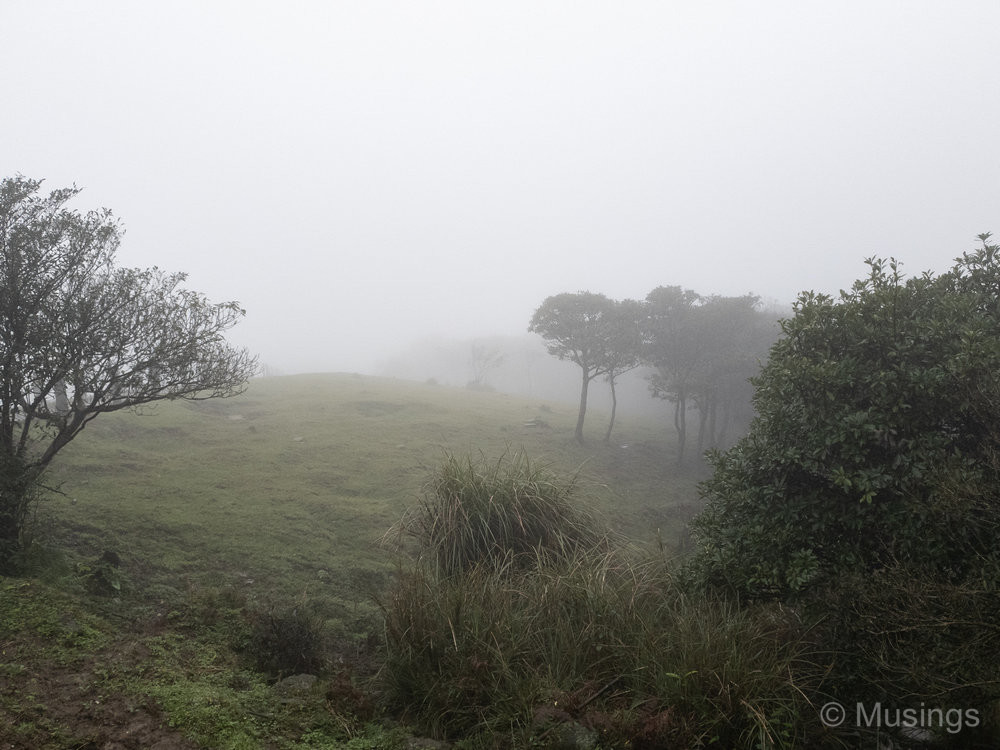
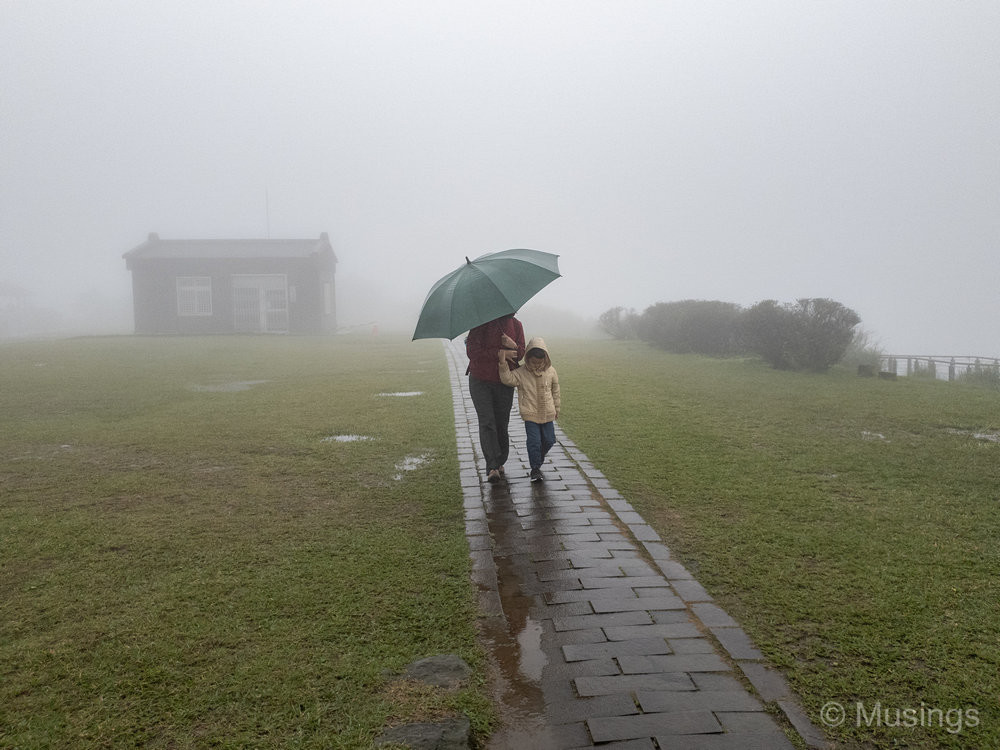
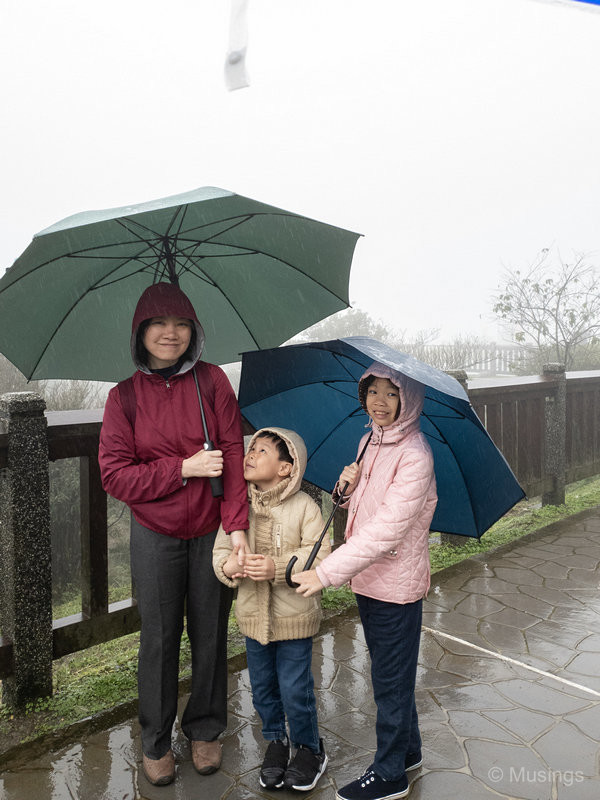
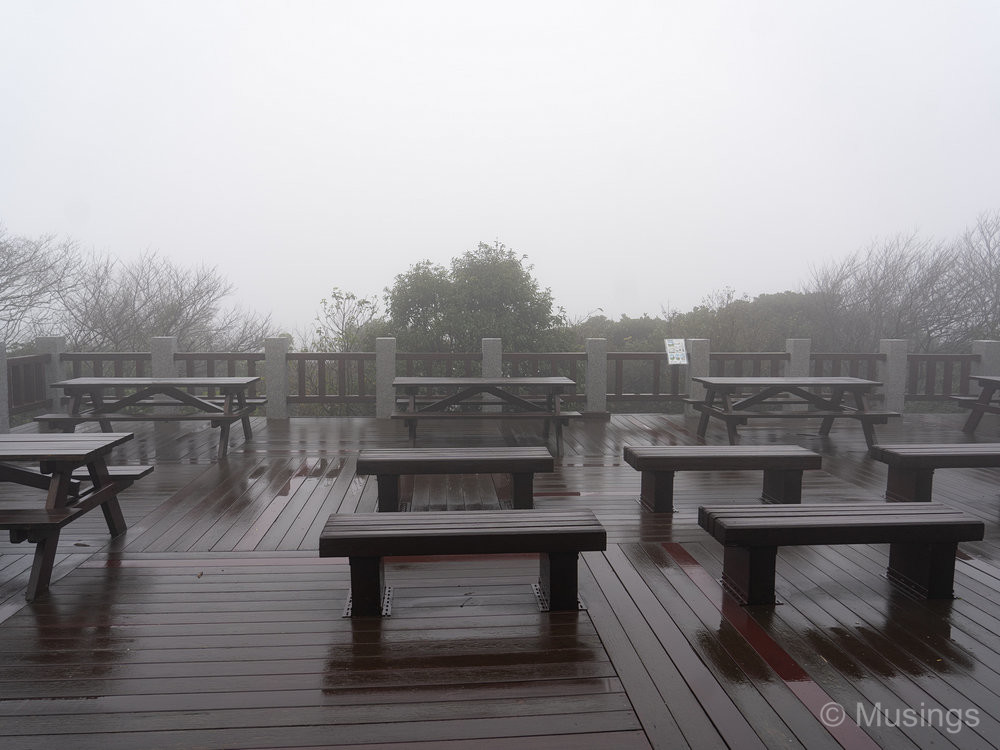
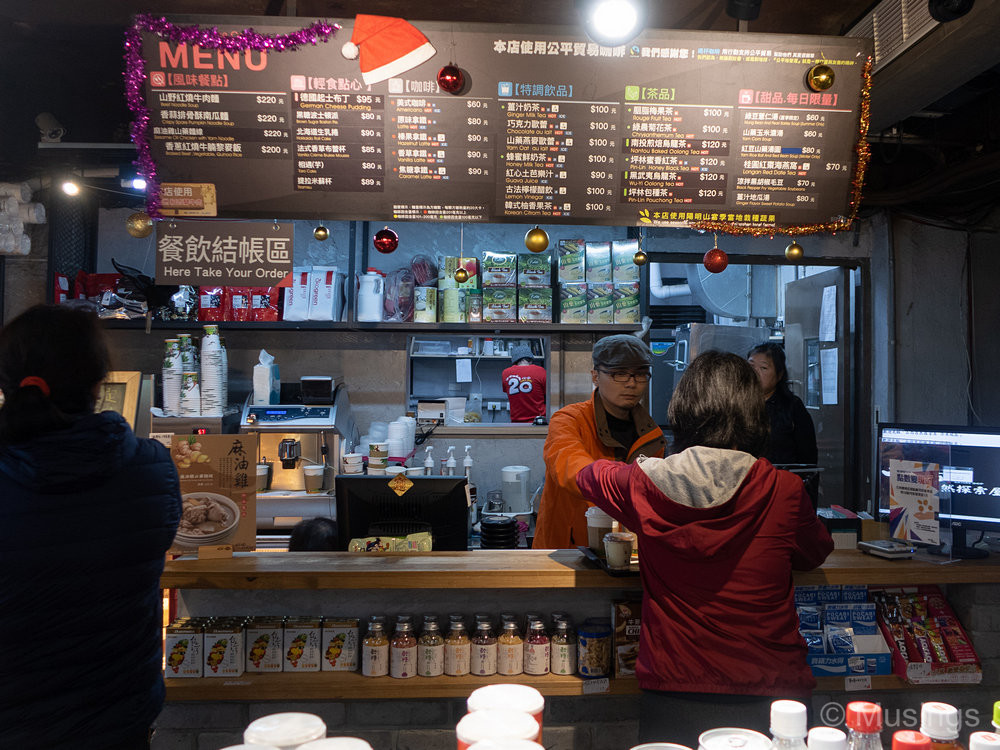
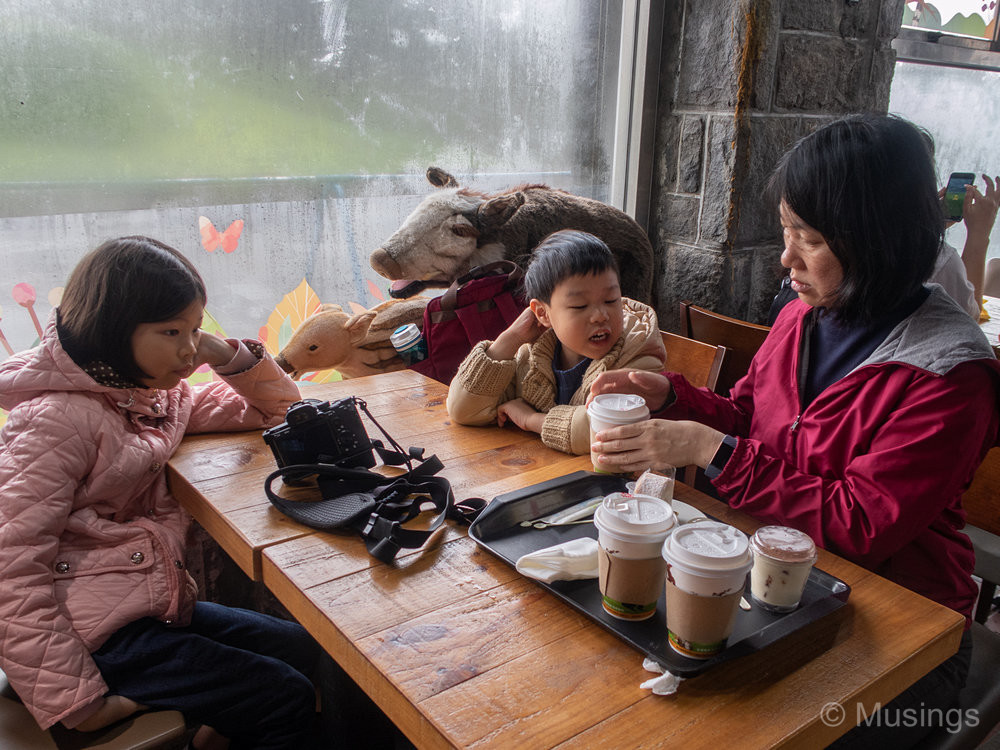
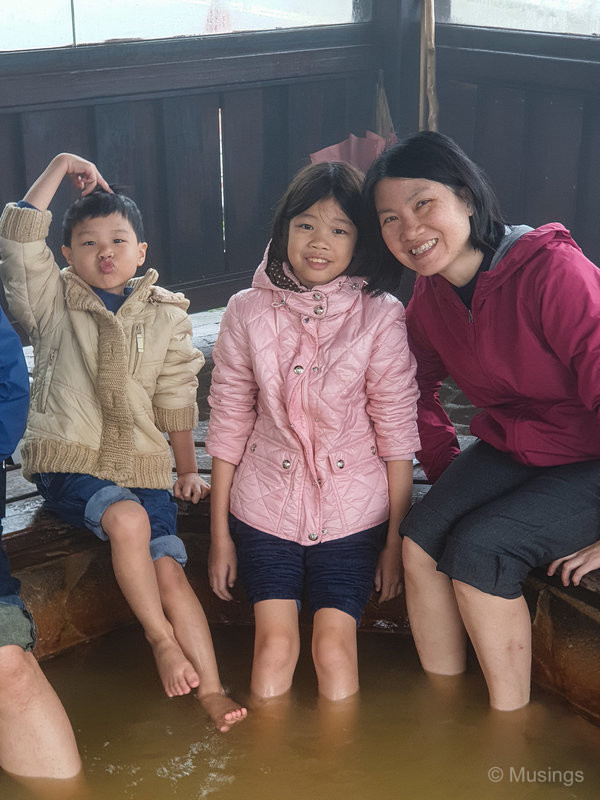
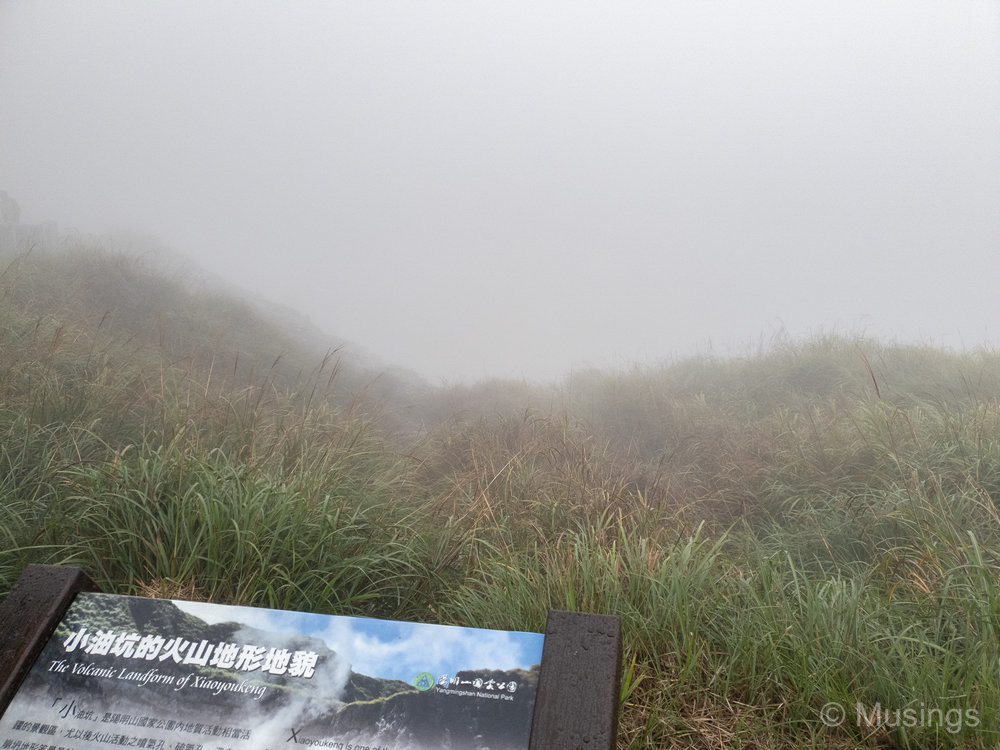
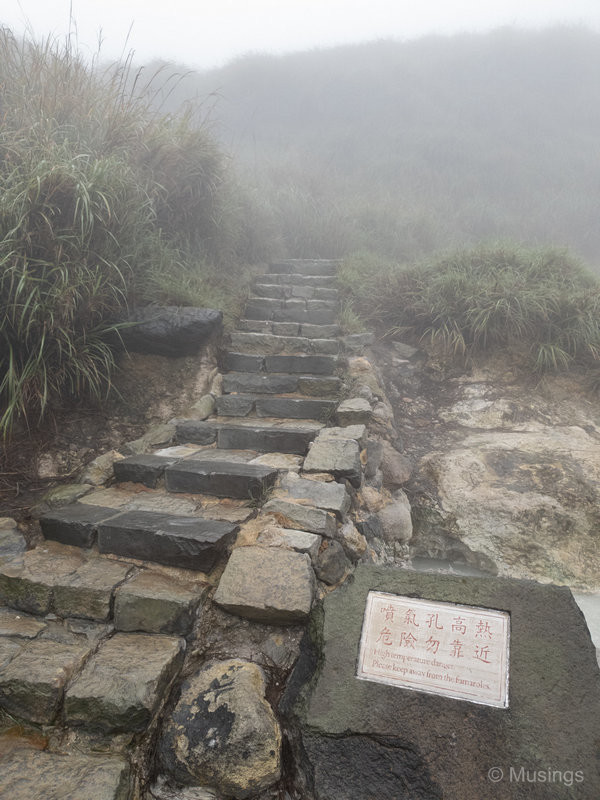
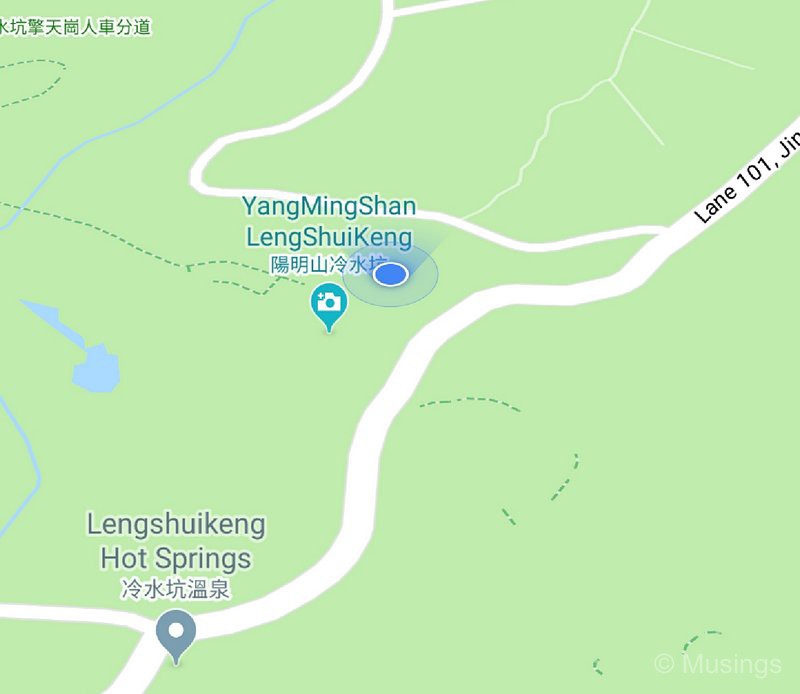
At about 12:30PM, we all but gave up that the fog was going to abate, so we decided to cut our trip up Yangmingshan short — we’ll come back for a revisit the next time we’re in Taiwan — and descended down the mountain. And lo and behold: just after we cleared the cloud and fog layer on the mountain, it was all bright and sunny again. Nature sure does the darnedest things!
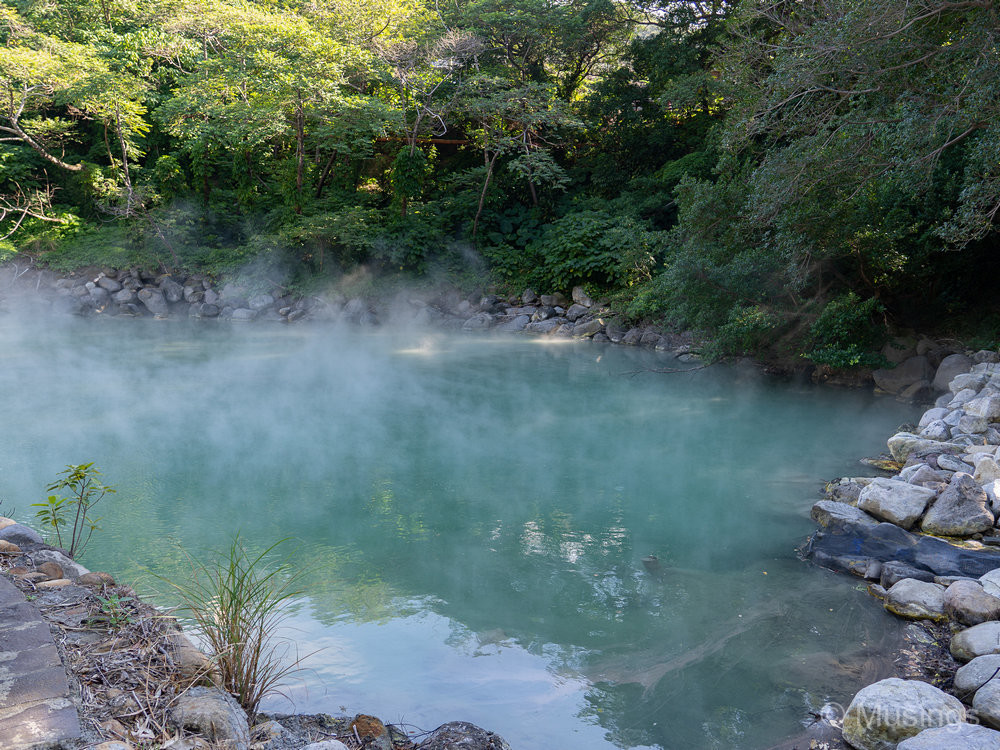
Beitou Thermal Valley was pretty interesting, and the early afternoon sky was wonderfully blue and the sun out in full force — a stark and utter contrast to the gloom and fog we had at Yangmingshan. We continued on next to the seaside district of Tamsui.
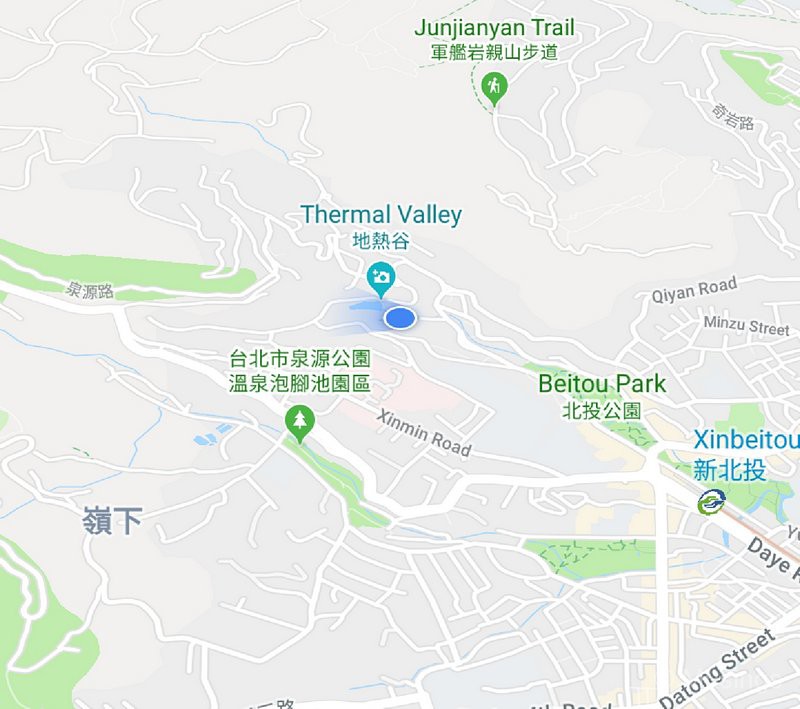
This was about an hour past noon now, so we headed out of Beitou for the drive to Tamsui next.
Recent comments