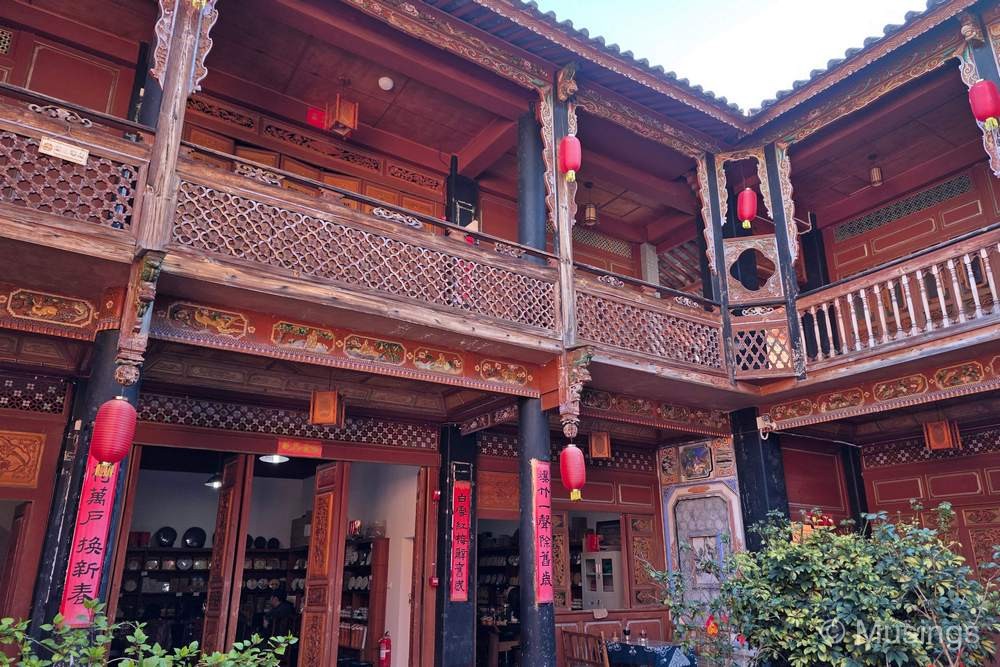
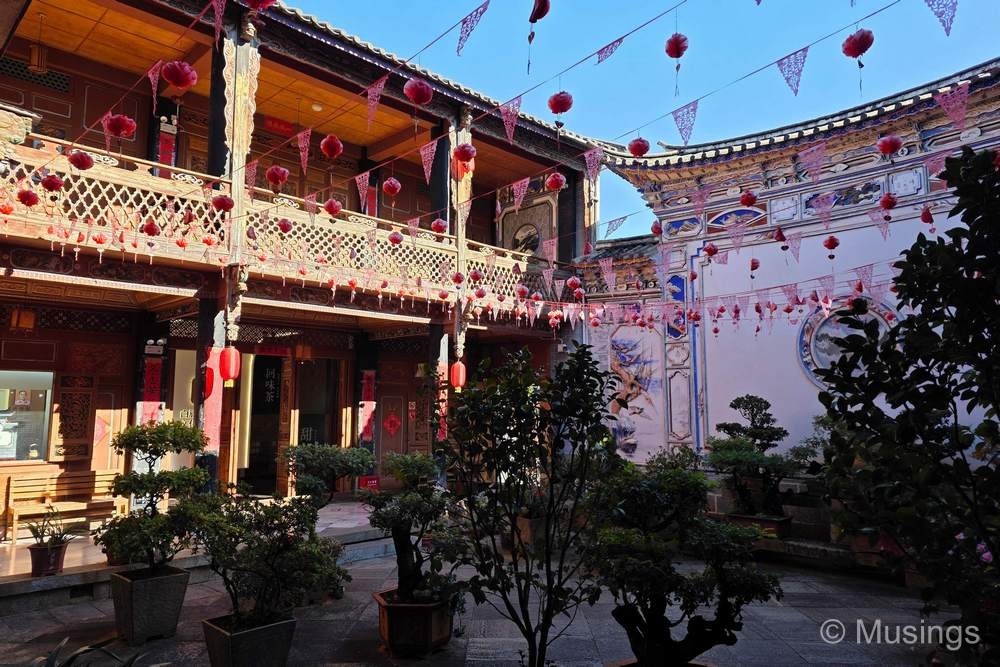
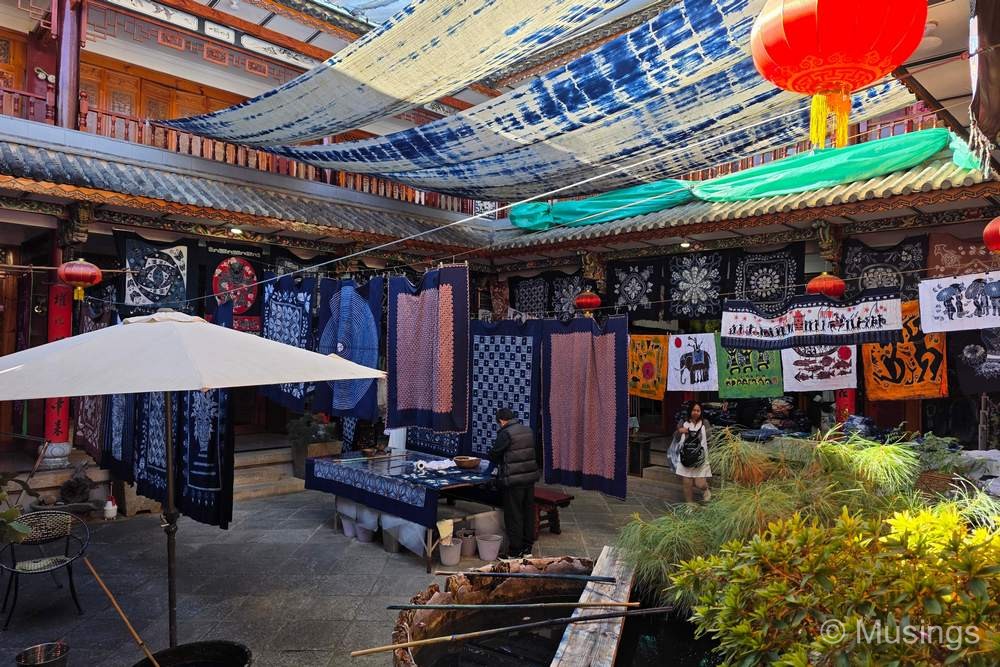
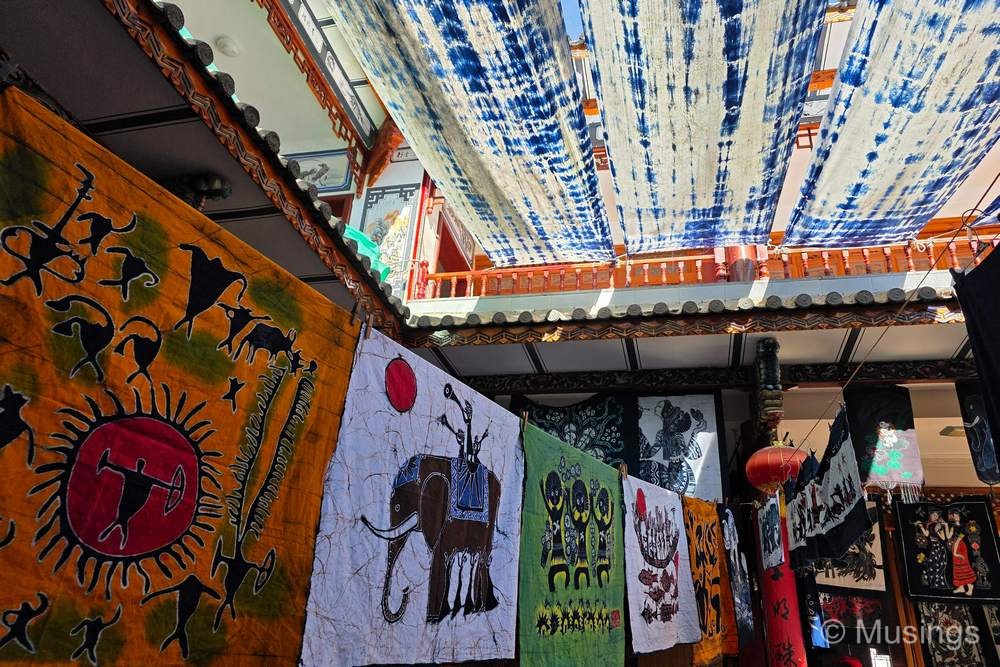
Our assigned pair of driver and tour guide picked us up at Z Hotel this morning punctually at 9AM and we formally started our 13-day private tour with Windhorse Tour of the two provinces, Yunnan and Sichuan. The planned itinerary from several months back was for us to visit Li Xiang Bang (or fake Santorini) first, but we instead started with a visit to Xizhou Village. That actually made sense, because the three-course tea ceremony and demonstration in that town were scheduled for the morning. Xizhou Village is a short 20-minute drive north of Dali Old Town, and is a village rich with 1,000 years of history. The village has a large community of the Bai ethnic group still living there, and the tea ceremony demonstration and a visit to a traditional textile-making shop were the two highlights of our morning visit there.
Pictures!
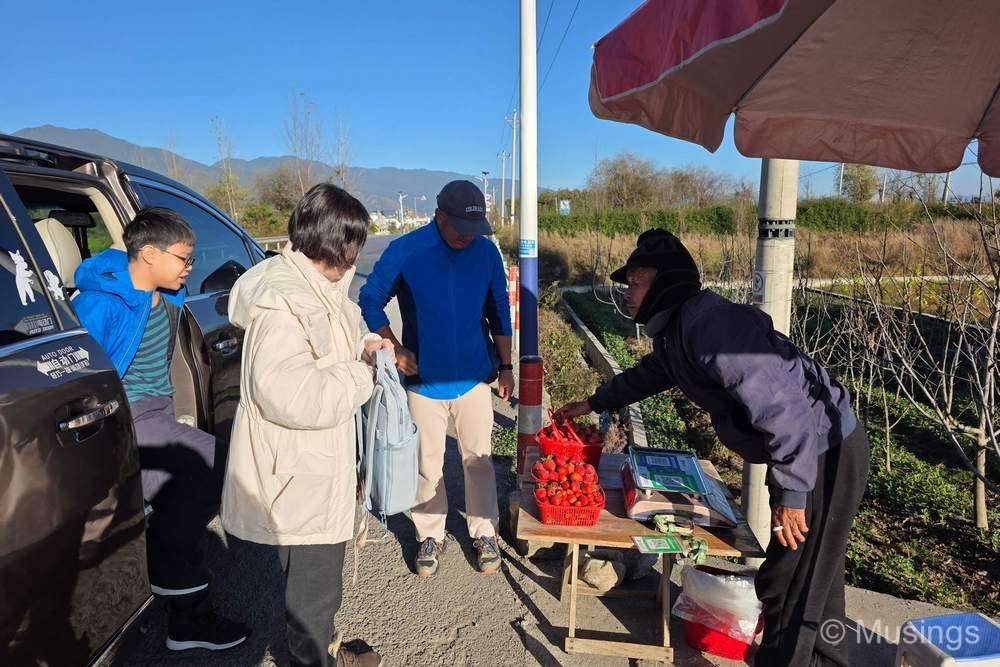
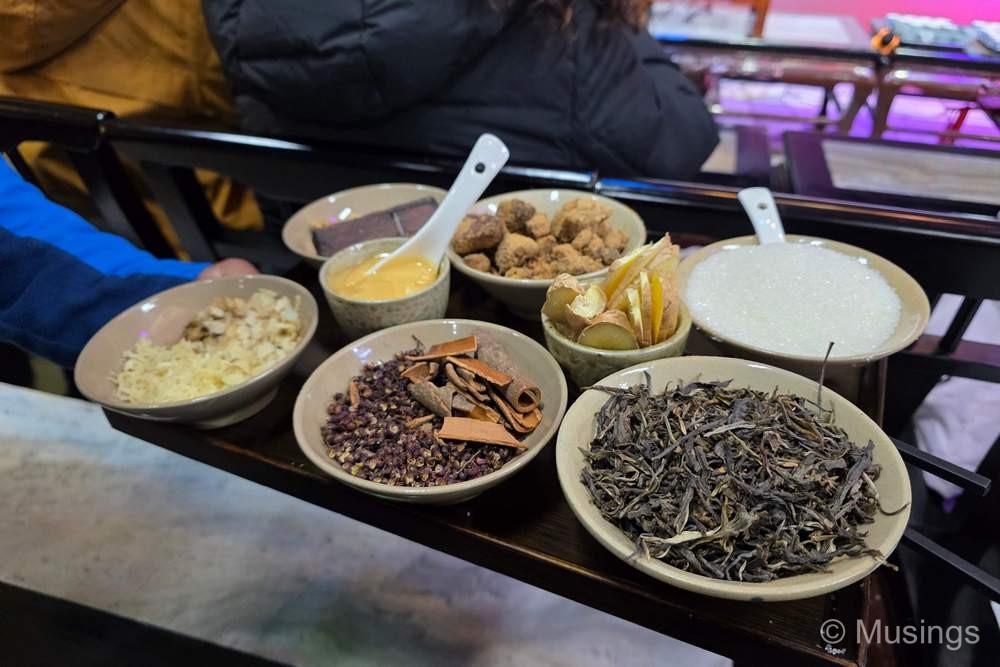
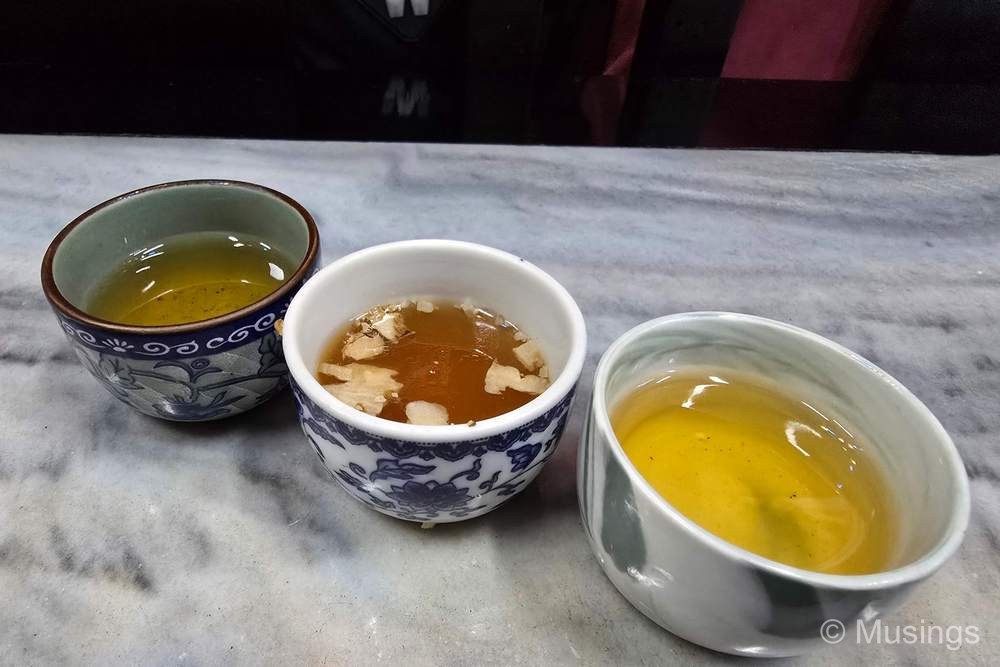
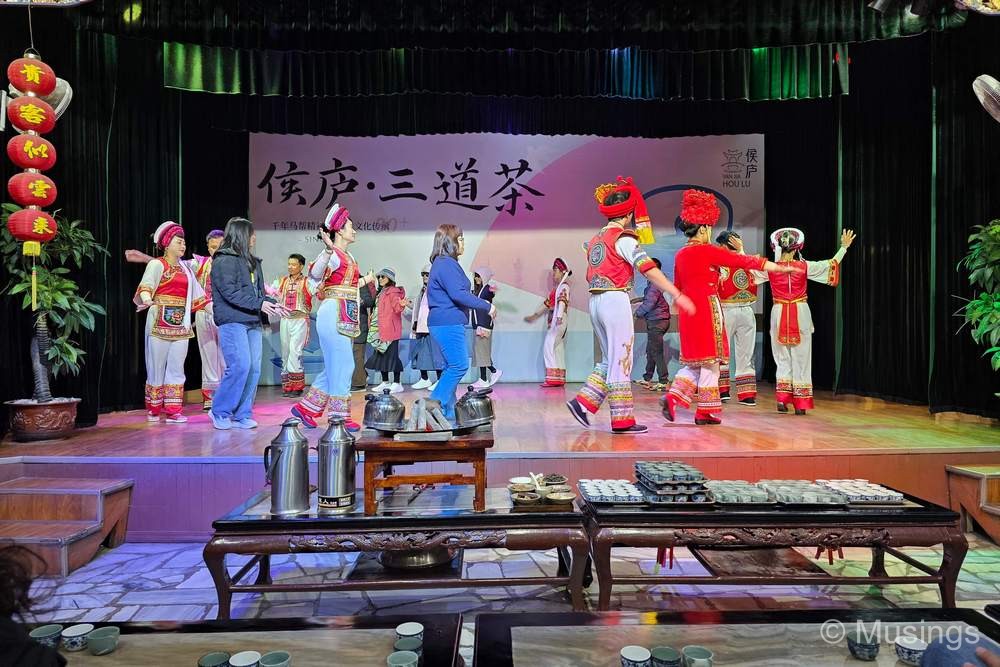
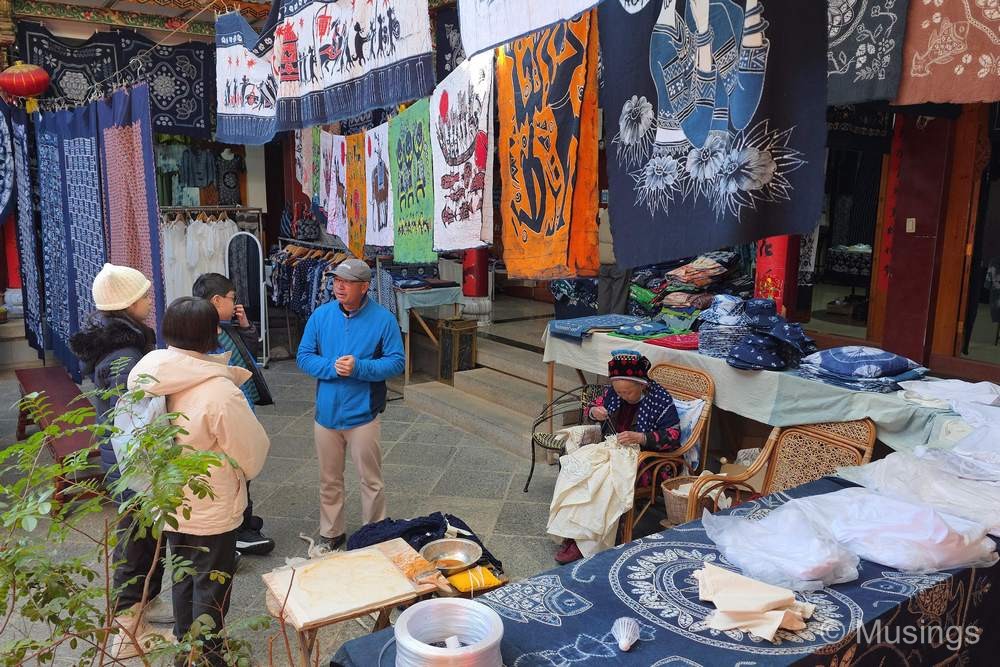
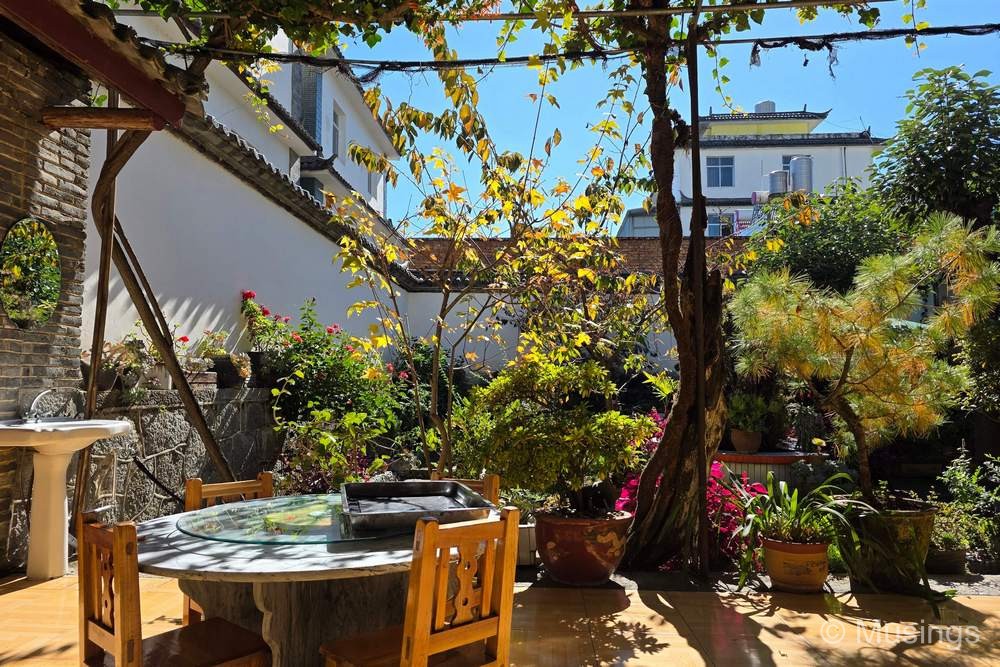
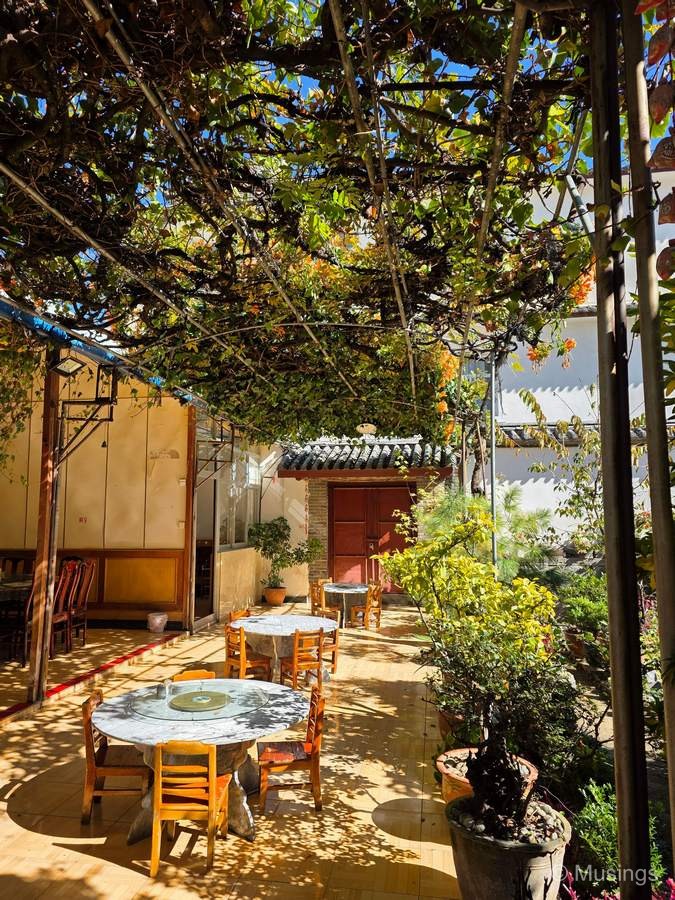
Strawberries were in season, and there were many roadside stalls with locals selling these. The wife couldn’t resist, so we stopped by one and picked up a basket for 48 RMB/~9 SGD. Amazingly, even these roadside stalls, and the many locals roaming the streets hawking their wares, all had Weixin/Alipay QR codes at the ready for cashless transactions. The strawberries were really sweet without any hint of sourness, or as the wife said.Ingredients to be used for the three-course tea ceremony. The ceremony comprised Bai locals showcasing the preparation of three different types of teas, and guests are invited to try each type too. I can’t remember the different tea types showcased, except that the first was slightly bitter but no more than your usual Chinese tea, and the next two were sweet teas.3 tea types.Guests were invited to dance on the stage at the end of the ceremony. We did not partake, us being the very self-conscious Singaporeans! Several mainland Chinese visitors gamely hopped onto the stage to join in the dance though.The tea ceremony was hosted at Yan’s Courtyard, a very lovely traditional house with inner courtyards.The bright sunny morning also made for stunning pictures.Our next stop was a traditional dye and textile-making shop which has been at it for four generations, and three generations of the family were up and about at work.As our guide, Bell, explained, Xizhou town was particularly famous for making kimonos for export. That is until the recent tension between China and Japan, which has led to the shops diversifying to do tablecloths.Our guide, Bell, explaining the dye-making process. The matriarch of the family — the great-grandmother — was at work making textiles.Our third stop was for lunch at a local restaurant. The setting where we dined was lovely!Lunch at this restaurant cost 242 RMB/44 SGD, but the fare was very well done and the vegetables were particularly fresh. There was a lemon chicken dish though that was soaked in cold balsamic vinegar: that took a bit of getting used to!
We continued our drive around Erhai Lake and headed to Shuanglang Ancient Town next.