Of the several cities we’re visiting using Kyoto as a base over Days 01 to Day 06, the furthest we’re traveling to in this first segment is Himeji, which is a good 130 kilometres away from Kyoto. The 4 Day Kansai Wide pass we bought did not include the Shinkansen rides between these two cities – which meant we were stuck with the slowpoke cattle-class trains that take almost 2 hours to get from one city to the next, with plenty of stops in between too. During the return ride from Himeji to Kyoto Station at the end of Day 04 – and right at peak hour to boot – I seriously wondered whether next time we should just bite the bullet and buy the all-Japan Rail Pass, never mind that the savings would have been pretty insubstantial then.
Our Day 04 itinerary was arranged around three spots in Himeji: starting with Engyoji Temple, which is situated at Mt. Shosha, then the famed Himeji Castle, followed finally by Koko-en Garden that’s just next to the castle.
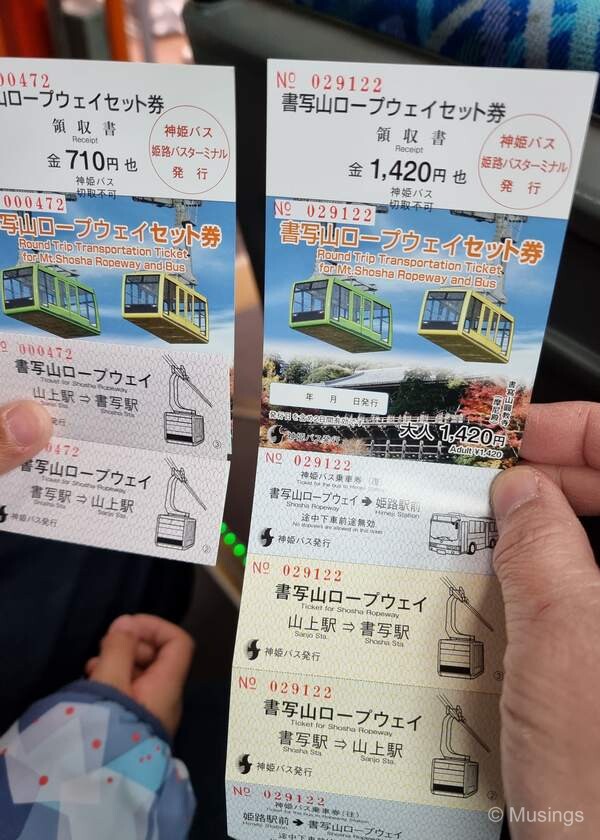
Engyoji Temple was founded 1,000 years ago in A.D. 966, and is actually a fairly large compound that sits on Mt. Shosha. To get there, upon exiting Himeji Station Central Exit, look for the bus terminal that’s a little to the left, and the Bus Information Center inside the terminal. Combo tickets – ¥1,420 for adults – which include the bus and ropeway rides up the mountain can be purchased there. The bus ride itself takes about 30 minutes with numerous stops along narrow roads and quiet residential neighbourhoods, and ends at the Mt. Shosha ropeway base station terminal. The ropeway lift runs every 15 minutes or so and brings visitors to about 300 meters elevation: yep, not a particularly tall mountain.
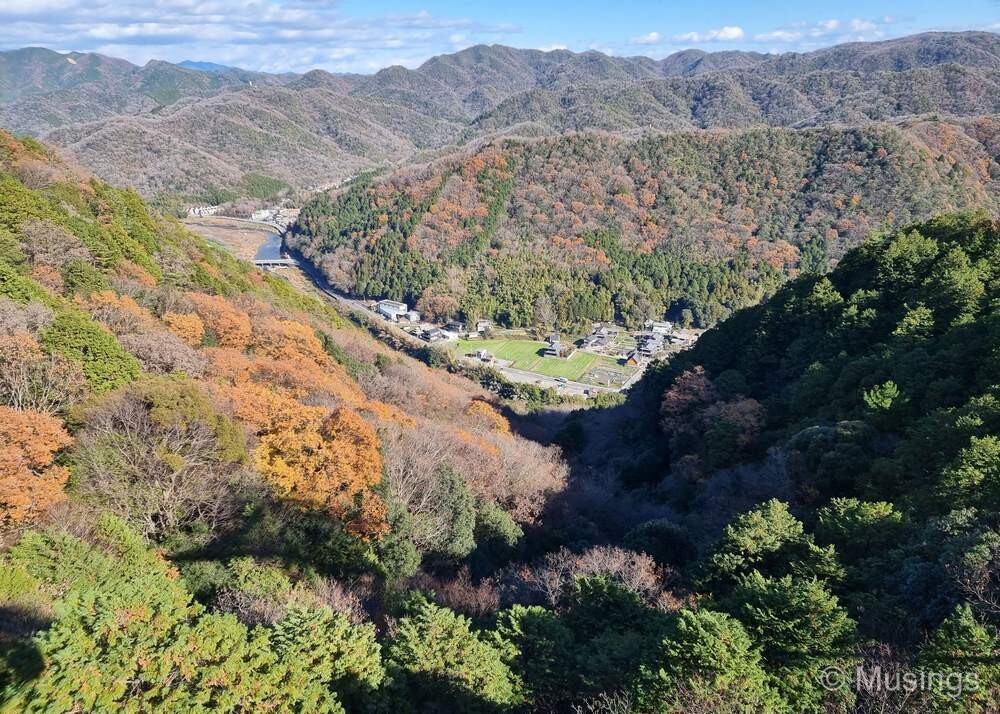
The ropeway top station has a viewing gallery that offers great views of Himeji, but the ropeway station support structures do block a fair bit of it. You’d get much better pictures while in the lift as it ascends and descends, though you’d then face the problem of shooting through glass panels.
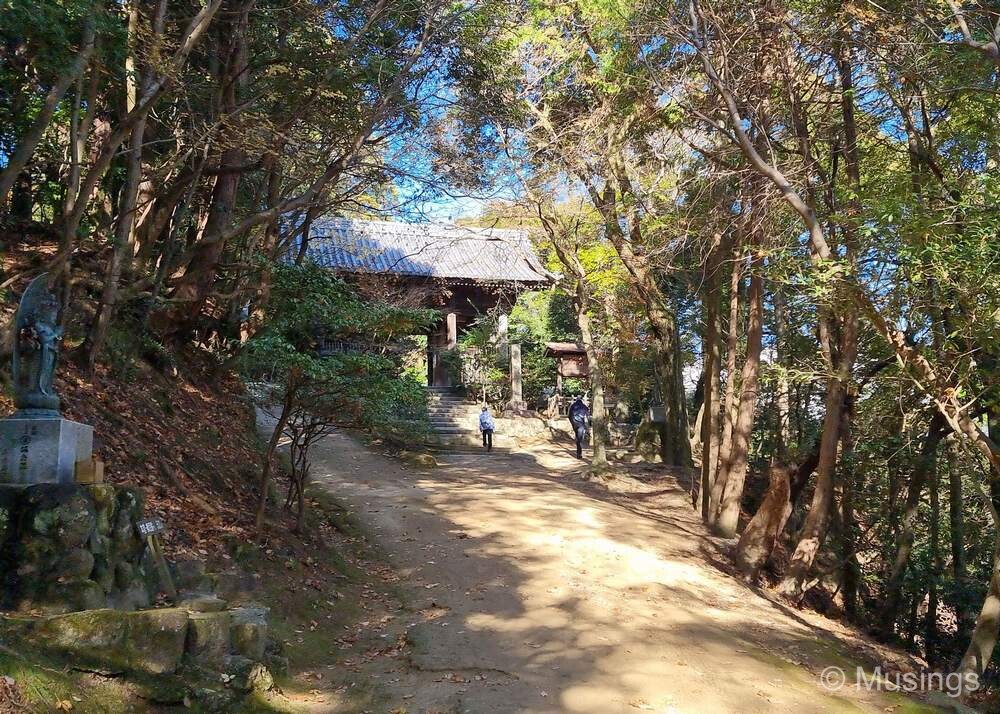
A ¥500 admission fee is required to enter the grounds itself, and the temples and buildings are much further in and uphill. There’s also an on-demand shuttle bus that runs from the entrance to the start of the temple compound, costing ¥1,000 per person for a round trip. Assuming that I didn’t mishear that asking price at the admissions booth, I found that pretty steep. So, being the budget-conscious family we are when on vacations, we decided to hoof it up. The walk uphill is manageable, but there are parts that are pretty steep. We took a good 40 minutes for a leisurely walk, but there were certainly points in the uphill walk where we all each took turns to say, “We should have paid for the bus!”
My assessment: if you have the time to spare, walk the way. The couple of local uncles and aunties who looked like they were in their sixties and seventies were all doing it! The weather in winter today was very cooling with occasional winds, and there are a couple of spots where we could stop to marvel at the majestic trees that form a shady canopy overhead.
The temple is perhaps particularly well known for being one of the main filming locations of the 2004 Tom Cruise movie The Last Samurai, and there’s plenty of signage and posters about it scattered around the temple compound to remind you of that. Say what you will about Tom Cruise, but that film certainly made gorgeous use of the architectural beauty here in Japan.
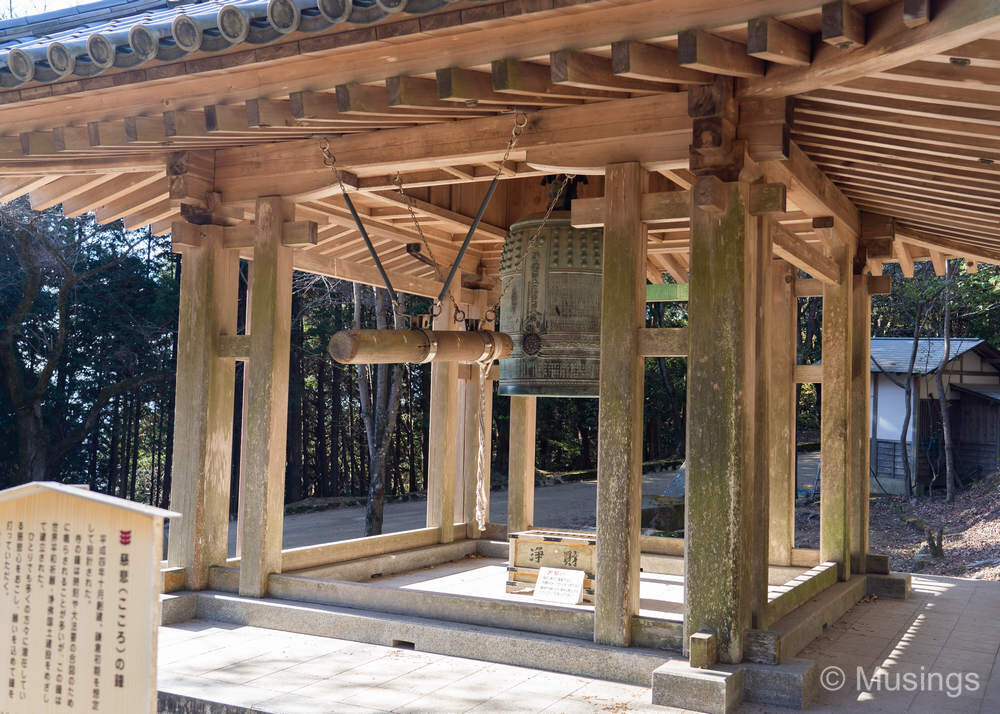
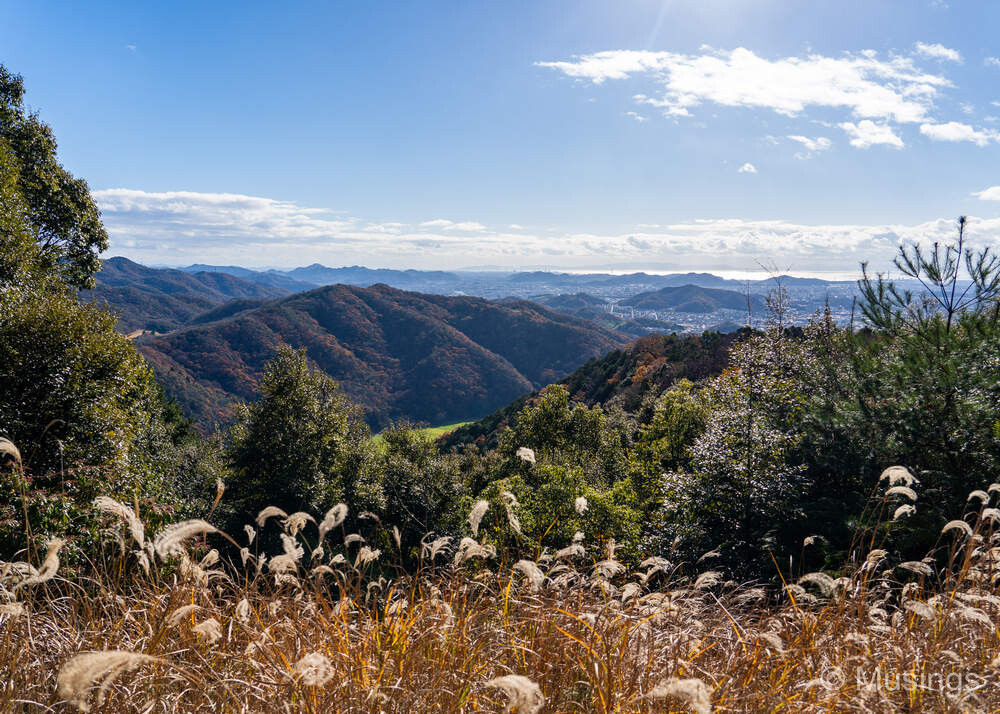
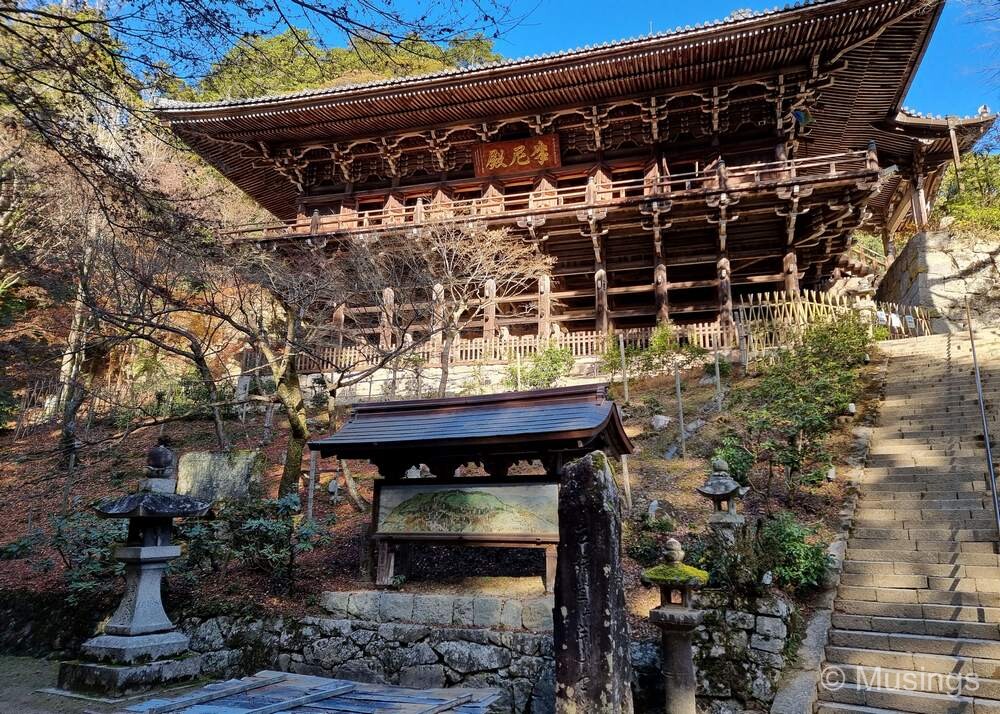
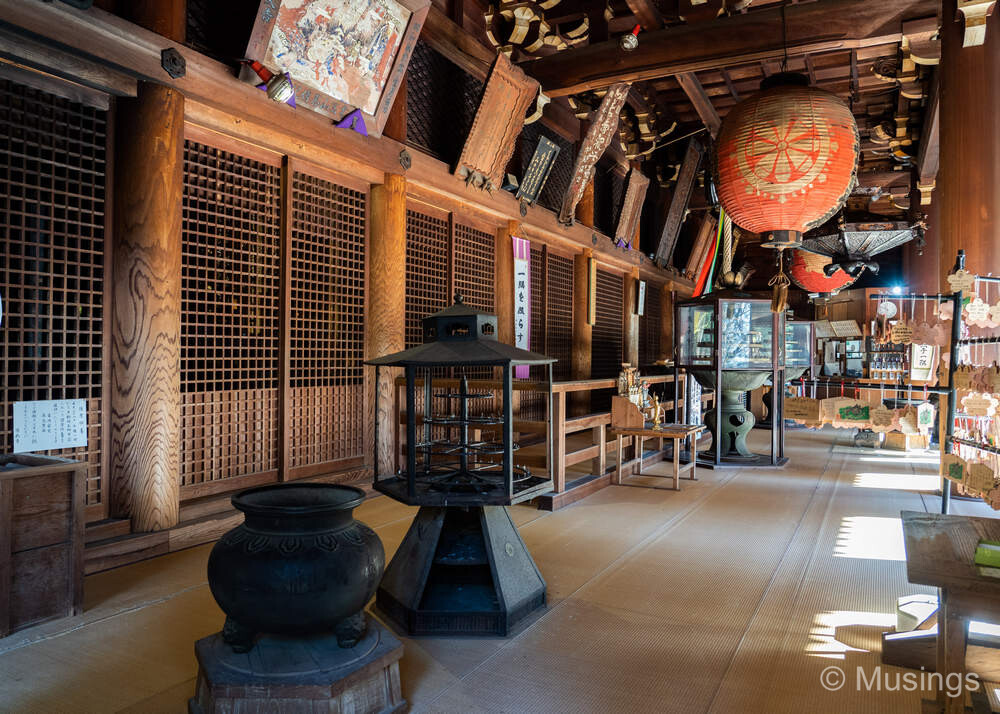
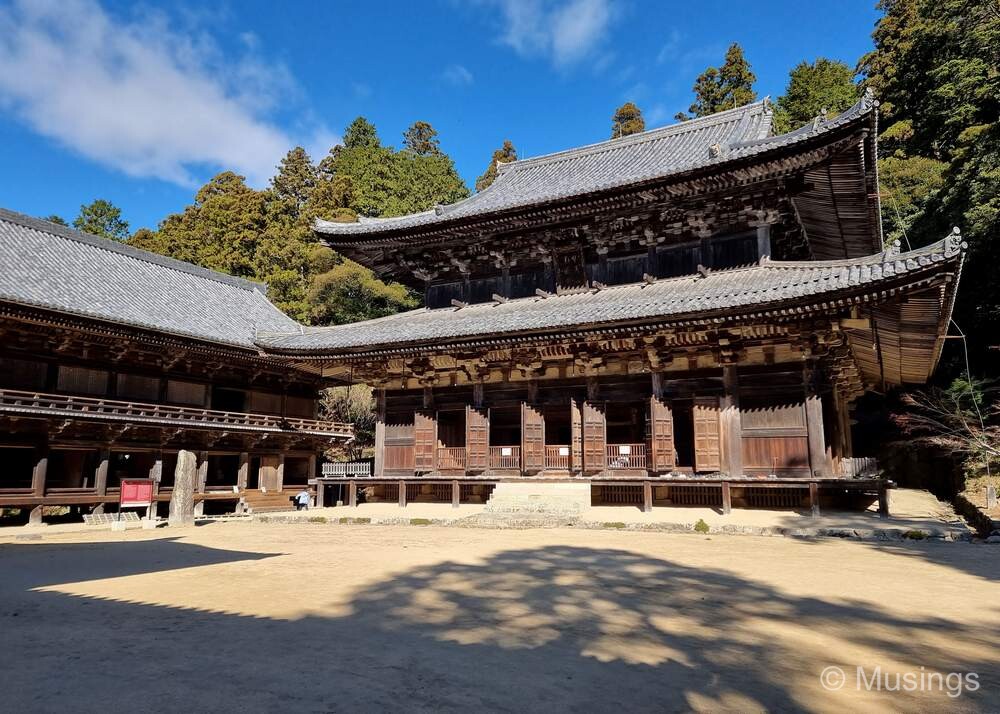
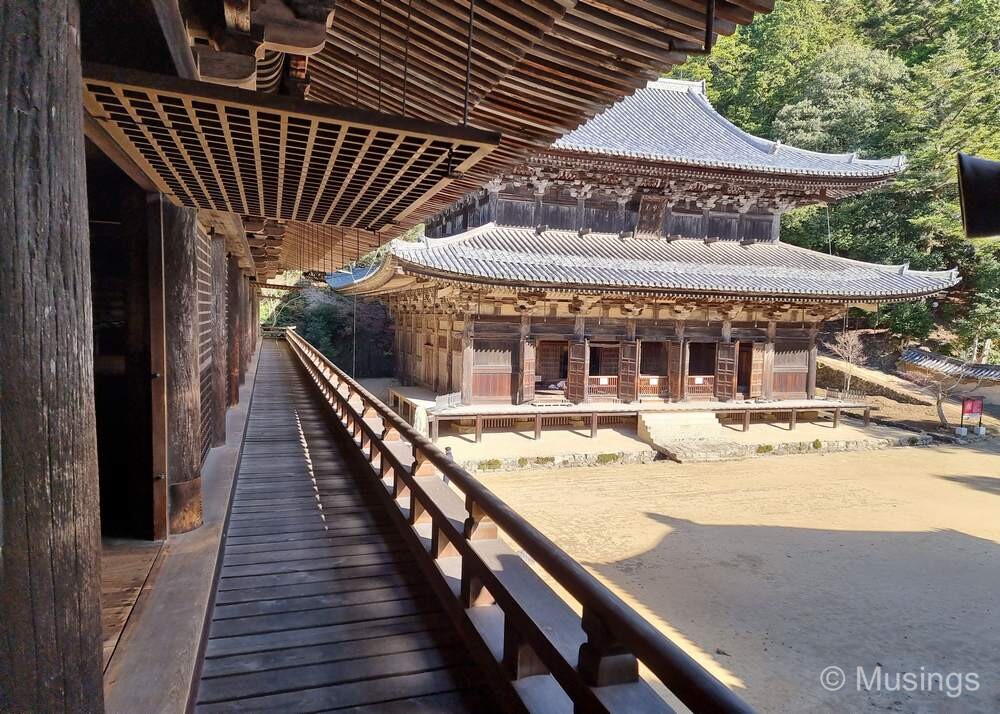
We spent almost 3 hours in this morning segment at Mt. Shosha and Engyoji Temple. It was really enjoyable, especially since there were few other visitors and worshippers about, and we were the only foreigners around too.
Lastly, the return bus has a stop at Himeji Castle. So, if you’re visiting the castle after coming down Mt. Shosha, you can drop off at the necessary stop. And not to worry: you cannot miss the Himeji Castle stop!
Continued in the next post!
Recent comments